Light sleepers
How to book a hotel you'll actually sleep in
If you're a light sleeper, you already know the pattern: the lovely hotel, the charming street, and then the 2am delivery van, the bar crowd, the corridor door that slams. The fix isn't a quieter city; every city is loud somewhere and silent two streets away. A good night is three decisions made before you book: choose the street, choose the building, then claim the right side of it. None of this needs luck, and most of it is visible in the map and the reviews. Here's the method.
Decision one: choose the street, not the city
Noise is hyper-local. The difference between a room above a bar street and a room on the lane behind it is bigger than the difference between any two cities, so zoom the map in before you shortlist. Look for what surrounds the hotel's actual pin: bars, clubs and late restaurants below or opposite are the loudest neighbours; a church, offices, a park or plain housing are the quiet ones. Check the street with the map's photo view too: cobbles are romantic and, under a suitcase wheel or a delivery van at dawn, percussive.
Small streets just off the centre are the light sleeper's sweet spot: walking distance to everything, none of the night traffic. The same logic favours the small, residential-scale buildings we score highly anyway: a converted townhouse on a side lane starts life quieter than anything on a thoroughfare, whatever either promises.
Tip · Find the hotel's front door in the map's photo view and look at what's within fifty metres. A bar's awning opposite tells you more about your night than anything in the hotel's own description.
Decision two: the room-position playbook
Inside any building, the quiet rooms are knowable: they face the courtyard or the rear, sit high up, and are away from the lift, the ice machine, the breakfast room and the door to the stairs. Street-facing first-floor rooms are the noisiest in almost every building: closest to the pavement, level with the awnings, first to hear the bins collected.
You can't reliably choose these on a booking site's category menu, so don't try; write instead. One line at booking: you're a light sleeper, could they note a quiet room, courtyard-facing if possible, away from the lift. Small, personally run places are especially good at honouring this, because the person reading the email knows exactly which room is the quiet one; every building has it, and someone on the premises always knows where it is.
Tip · Ask for "your quietest room" rather than a specific feature. The hotel knows things no map shows (which side the church bells are on, which room sits over the kitchen extractor), and you've just asked the only question that uses all of it.
Decision three: read the reviews for noise: the only quiet data there is
Nobody measures hotel quiet; there are no decibel ratings to look up. The only quiet data that exists anywhere is guest-reported, which is fine, because light sleepers write reviews, and they write them about exactly what woke them. Search a hotel's reviews for the noise words: street, bar, thin, hear, woke, earplugs. A pattern of complaints naming the same source (the bar below, the tram line, walls that carry conversation) is a fact about the building. One grumble in two hundred reviews is a bad night, not a pattern; weight recent reviews most, since soundproofing and neighbours both change.
Read the positives with the same care. Guests who report sleeping well, unprompted, in a city-centre hotel are describing something real about glazing and walls. And be honest with yourself about old buildings: creaking floorboards and doors that carry sound are the standard cost of the period character that makes a place cosy in the first place. Traffic and bar noise ruin sleep; a settling seventeenth-century staircase mostly doesn't. Decide which noises you can live with, and read for those.
The questions and the kit
Two questions to the hotel settle most of the rest: Are the windows double-glazed (asked as a question, since photos rarely show it), and is there anything on at the hotel that evening, because the cosiest small places sometimes host the odd dinner or wedding, wonderful for everyone except the light sleeper upstairs. If a wedding's on, ask for the far wing or pick another date.
Then pack the ten-gram insurance policy: earplugs you already know fit, and whatever your usual blackout arrangement is, since charming old shutters are wonderful when they're there and hotel curtains are a lottery. It feels unromantic to plan for noise at a hotel chosen for its warmth. It's less romantic to be awake in one.
Mysiga hotell på riktigt lugna gator
Bland de hotell som vår AI ger högst poäng för mysfaktor är detta de vars recensioner tyder på en lugn natt: lägen längs sidogator och innergårdar, lugna platser, rum redo med mörkläggning. Lugnet rapporteras av gästerna (ingen mäter det), så varje val visar sin aktuella Cosy Score tillsammans med bevisen. Be om det tystaste rummet när du bokar; det kostar ingenting.
- Prague, CzechiaVarför den finns här
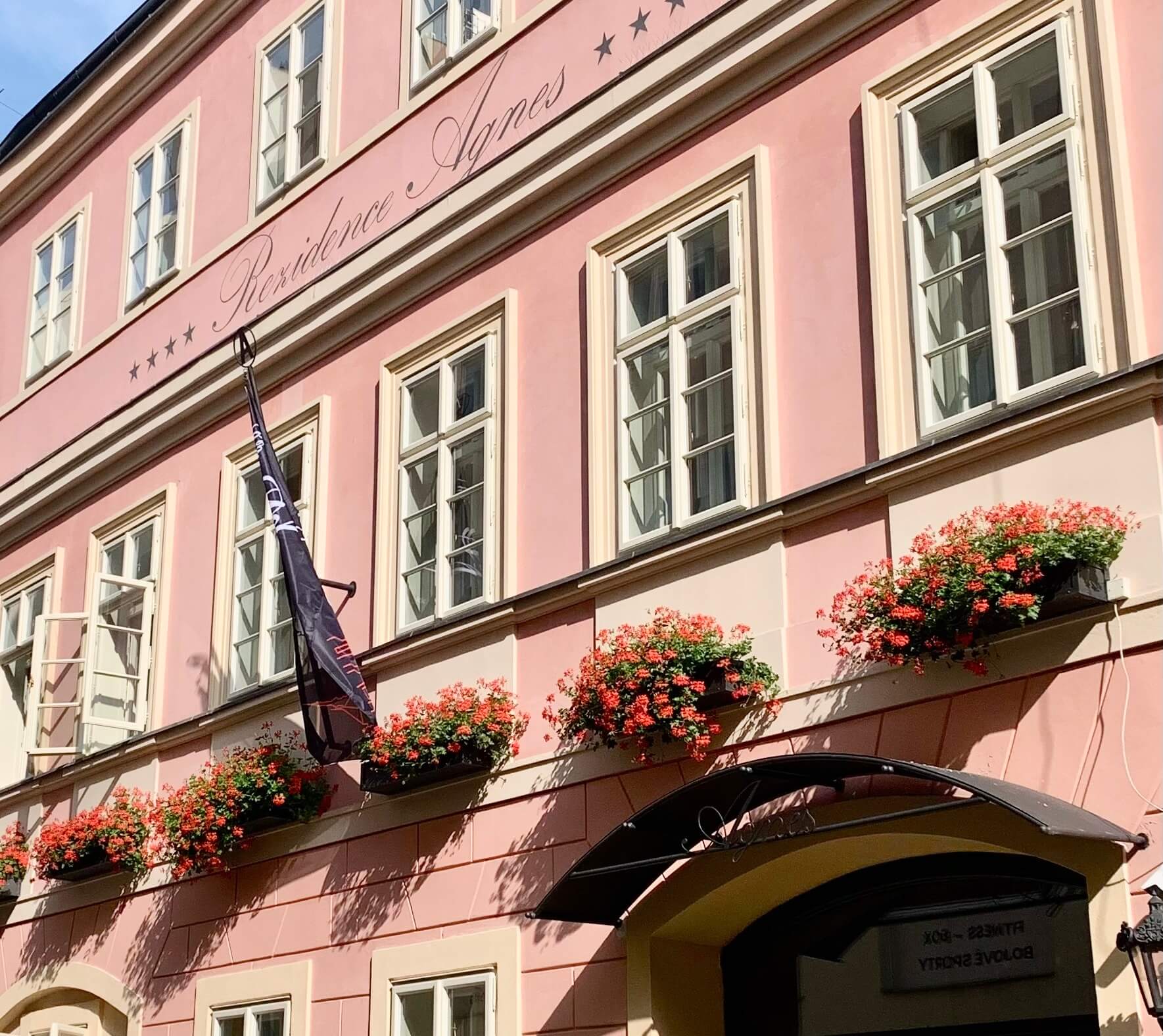
Insprängt på en lugn sidogata i Gamla stan med ägaren Franks genuint uppmärksamma service, från välkomstdrinkar till personligt ordnad flygplatstransport, som skapar komforten av ett hem borta från hemmet.
- Krakow, PolandVarför den finns här
Det lugna läget i gamla stan och rummen mot innergården erbjuder den fridfulla miljö som lättväckta gäster behöver, och besökare hyllar den rofyllda atmosfären för vila och avkoppling.
- Lecco, ItalyVarför den finns här
Inbäddat i ett lugnt område bort från de mer livliga gatorna i Lecco kombinerar detta karaktärsfulla B&B en genuint fridfull omgivning med den uppmärksamma omsorgen från ägarna Patrizia och Ivano.
- Venice, ItalyVarför den finns här
Detta lilla hotell ligger vid en lugn sidokanal, långt från turistträngseln, och erbjuder rum med kanalutsikt och en uppmärksam personal som skapar en genuint avkopplande och stressfri atmosfär.
- Salzburg, AustriaVarför den finns här
Beläget i ett lugnt kvarter med mörkläggningsgardiner och uppmärksam personal som tillgodoser individuella behov, prioriterar detta lilla gästhus den vilsamma sömn som lättsövda gäster behöver.
- Ronda, SpainVarför den finns här
Den fridfulla lantliga miljön mellan gamla broar, långt från stadens buller, i kombination med näktergalar vid poolen och privata marker, skapar den rogivande atmosfär som lättsövda gäster behöver.
- Bath, United KingdomVarför den finns här
Värden Tonis uppmärksamma service, färsk mjölk på rummet, hembakad välkomstkaka och supersköna sängar skapar en lugn atmosfär som får dig att känna dig som hemma, i ett stillsamt läge bara tio minuter från Baths centrum.
- Bath, United KingdomVarför den finns här
Ett viktorianskt stadshus på en lugn gata nära Royal Crescent, där gästerna lovordar den stillsamma atmosfären och de bekväma sängarna i vackert inredda rum.
- Pitlochry, United KingdomVarför den finns här
Värden Johns personliga detaljer, ylletäcken, teservering på rummet och ett välkomnande vardagsrum skapar en komfort för avkopplande kvällar, även om ljudnivåerna inte beskrivs närmare i gästernas omdömen.
- Florence, ItalyVarför den finns här
Denna familjedrivna boutiquehotell på en lugn sidogata i Florens erbjuder en fridfull tillflykt där uppmärksam personal och omsorgsfullt utvalda detaljer skapar en genuin känsla av hemma, långt från stadens brus.
- Bruges, België / Belgique / BelgienVarför den finns här
Med bara två rum på en lugn gata bort från Bruges centrum berättar gästerna att den fridfulla trädgårdsmiljön och de omtänksamma värdarna skapar en verkligt rogivande tillflykt för avkopplande nätter.
What we can honestly promise, and what nobody can
Everything above rests on guest-reported quiet: what people wrote after sleeping there. Nobody measures hotel noise (not us, not any booking site), so treat every quiet claim, including ours, as testimony rather than measurement. That's also why we won't rank cities for quiet: the data doesn't exist, and the street you're on matters more than the city anyway.
And even the quietest hotel has one room over the kitchen and one by the door to the stairs. The picks above (drawn from the 17,000+ hotels we've scored) get you to the right building; the one-line email (light sleeper, quietest room you have) gets you to the right bed. Send it every time. We've yet to see it make a stay worse.
Vanliga frågor
- How do I find a quiet hotel as a light sleeper?
- Make three decisions before booking: the street (zoom the map to the hotel's pin: bars and late restaurants within fifty metres are the loudest neighbours), the building (small, residential-scale places on side lanes start quieter), and the room (courtyard-facing, high up, away from the lift; requested by a one-line email at booking). Then check the reviews for noise words: quiet is guest-reported, and light sleepers write about exactly what woke them.
- What should I ask a hotel to get a quiet room?
- Ask for their quietest room rather than a specific feature: say you're a light sleeper, courtyard-facing if possible, away from the lift. The hotel knows which room that is in a way no map or booking category shows. Two follow-ups worth asking: whether the windows are double-glazed, and whether any event is on at the hotel that night.
- Are old, characterful hotels too noisy for light sleepers?
- Usually not, if you separate the noise types. Creaky floors and doors that carry sound are the ordinary cost of period character and rarely ruin a night; traffic and bar noise do. Read recent reviews for which kind a hotel has: repeated complaints naming the same outside source are a fact about the building, while guests unprompted reporting they slept well are the best quiet evidence that exists.
Läs mer
Got Cosy rankar hotell efter mysfaktor med hjälp av AI. Urvalet hämtas i realtid från vårt poängsatta datasetbokningar via partnersajter kan ge oss en provisionSenast uppdaterad 2026-07-08.